About the Author:
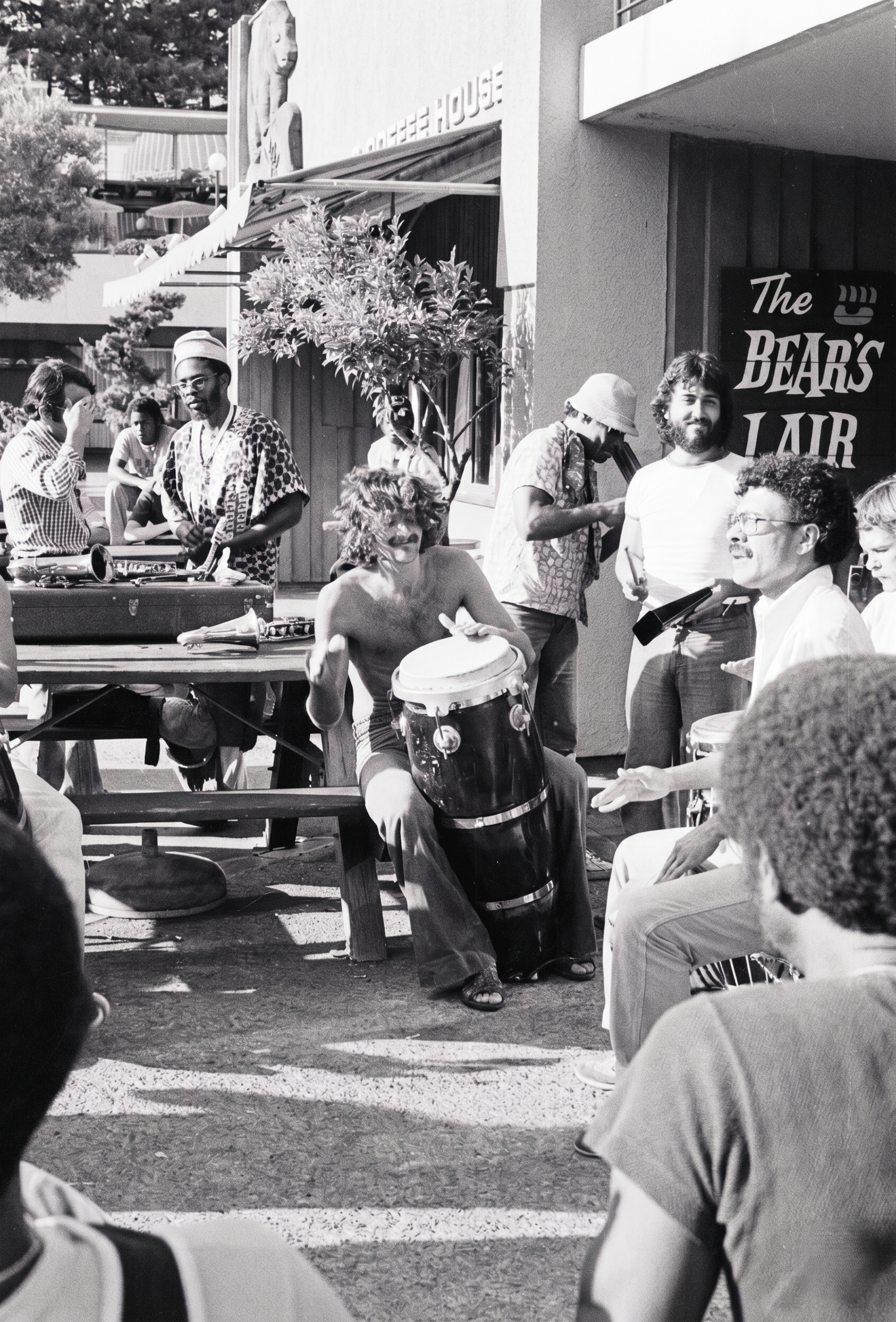
Michael M. Pourzand’s architectural sensibility emerged at a confluence of personal formation and historical change. Educated at the University of California, Berkeley in the late 1970s and early 1980s, he encountered the campus not only as a site of academic training but as a living field of observation. It was here that photography entered his life quietly—not as a profession, but as a disciplined way of seeing. Moving through the shifting rhythms of student life with a camera in hand, he developed a refined attentiveness to the interplay of buildings, people, and landscape—an integrated continuum shaped by light, movement, and time. This early practice cultivated a mode of perception that would gradually evolve from observation into critical inquiry.
As his engagement with photography deepened, it became inseparable from a growing involvement in the realities of design and construction. Transitioning from observer to participant, Pourzand entered the domain of design/build, where architecture is not merely conceived but actively negotiated and brought into being. Direct contact with materials, construction processes, and the unpredictability of the building site sharpened his focus, transforming curiosity into a sustained analytical pursuit. He became increasingly invested in examining the internal logic of architecture itself: the mechanisms by which ideas are imagined, developed, and translated into built form, and the ways this transformation is mediated by the continuous dialogue among designer, craft, and context.
During his time at Berkeley, Pourzand was profoundly influenced by Christopher Alexander, whose conception of architecture as an expression of lived patterns and human needs left an enduring mark on his thinking. In this framework, architecture is not an abstract exercise but a responsive and generative process rooted in experience—an idea that resonated deeply with the perceptual discipline he had cultivated through photography. Together, these influences established the foundation for a practice that moves fluidly between seeing, making, and reflecting.
His intellectual development continued at the University of British Columbia, where he pursued a Master of Advanced Studies in Architecture. There, the work of Hassan Fathy—particularly his commitment to vernacular traditions and human-centered design—further expanded his perspective. These lines of inquiry converged in his thesis, Intelligent Intervention: Toward a Definition for the Process of Design in Design/Build Architecture, which articulates a central premise of his work: that architecture is not a static object but an evolving, participatory process shaped by the dynamic interaction of people, materials, and place, and sustained by the continuity of that engagement.
Over more than four decades of practice, Pourzand has been deeply engaged in design/build projects across residential, commercial, and light-industrial contexts. Underlying this body of work is a consistent philosophical position: that the visible form of architecture is only the outward manifestation of deeper, shared values, and that meaningful design must remain grounded in—and responsive to—the human intelligence embedded in its making.